


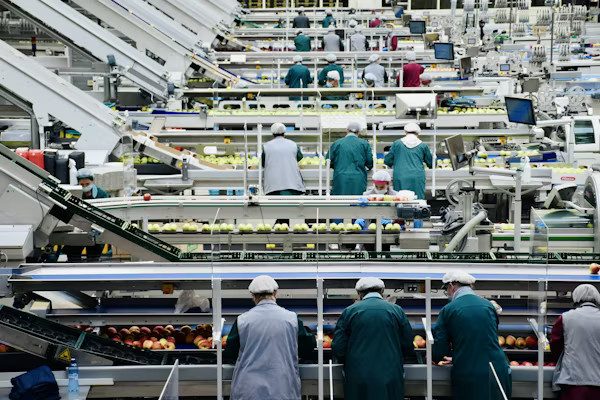
In the food sector, plant reliability is not just an operational matter but a strategic factor. Processing and packaging machines are the heart of production: they ensure continuity, quality and regulatory compliance.
However, every industrial asset is subject to wear. Without structured management, the risk is twofold: costly machine downtime and potential food safety issues.
For this reason, extending plant longevity does not only mean cutting costs, but protecting production continuity and the company’s market position.
Scheduled maintenance: from cost to strategic lever
A reactive approach to maintenance is no longer sustainable.
Implementing preventive and predictive maintenance plans makes it possible to:
- spot anomalies before they become critical failures
- reduce unplanned downtime
- maintain consistent performance over time
Key activities include lubrication, cleaning, checking wear-prone components and scheduled replacement of critical parts.
The real value: turning maintenance into a tool for controlling and optimising the plant.
Protecting your plant: materials and design make the difference
In food processing, plants are exposed to particularly harsh conditions:
- frequent washdowns
- chemical agents
- high humidity
That is why choosing suitable structures and guards is essential to prevent corrosion, ingress and deterioration of internal components.
Investing in solutions designed for food-grade environments makes it possible to:
- extend machine life
- reduce emergency interventions
- ensure compliance with hygiene and sanitary standards
Automation and monitoring: data that extends plant life
Integrating automation and monitoring systems makes it possible to move from “gut-feel” management to data-driven management.
By monitoring performance, it is possible to:
- identify overloads or sub-optimal use
- detect hidden inefficiencies
- prevent production bottlenecks
This approach not only improves overall efficiency, but also reduces operational stress on the plant, extending its life cycle.
Retrofit and upgrades: extending the asset life cycle
Replacing a plant is not always the most efficient solution.
In many cases, targeted revamping or retrofit work makes it possible to:
- upgrade key components (motors, control systems, interfaces)
- improve energy efficiency
- simplify cleaning and maintenance operations
The result is a plant that is higher-performing, more reliable and aligned with current standards, without the need for a full investment in new lines.
Subba’s role: optimising today, building tomorrow
In a constantly evolving context, plant management cannot be left to chance.
Subba supports food companies in:
- selecting reliable, long-lasting technologies
- optimising production lines
- identifying innovative solutions to improve performance and operational continuity
The goal is clear: maximise the value of your plant over time, reducing risks and increasing competitiveness.
Conclusion
Extending the longevity of food processing plants means adopting an integrated approach made up of:
- strategic maintenance
- smart design
- continuous monitoring
- targeted investments
It is not just about “making machines last longer”, but about building a stronger, more efficient and more sustainable production system.